

ABOUT THE PROJECT
Metro Manila Skyway Phase I: The Country’s First Elevated Expressway
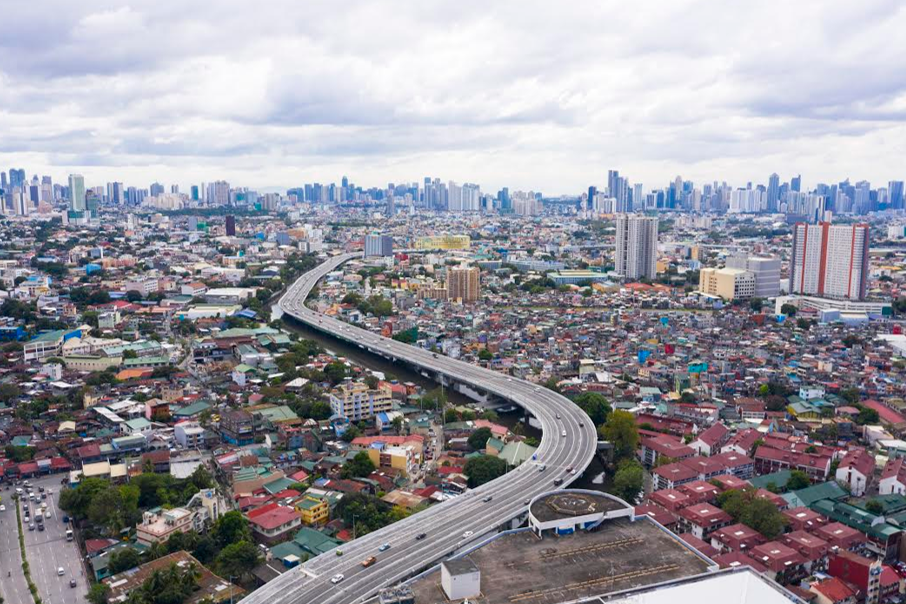
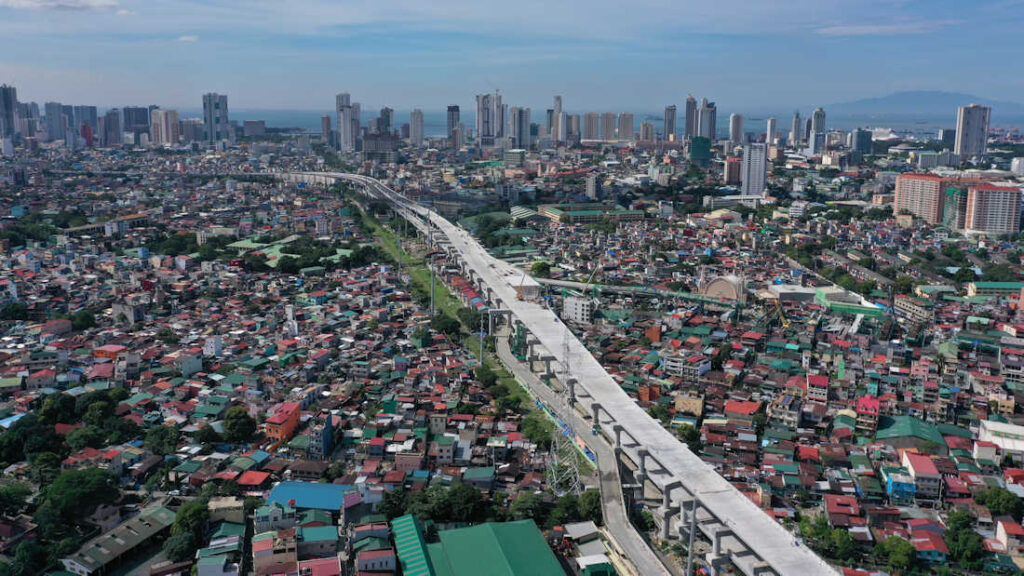
Metro Manila Skyway Phase I was the first elevated expressway system in the metropolis.
A pioneering landmark in Philippine infrastructure, made possible through state-of-the-art technology, the Skyway runs above the existing South Luzon Expressway and stretches 10.1 miles (16.3 kilometers), from the intersection of Buendia Avenue and Barangay San Isidro in Makati City to Bunye Road in Alabang, Muntinlupa City. It passes through five major cities: Makati, Pasay, Taguig, Parañaque, and Muntinlupa.
The project was financed, designed, and constructed by Citra Metro Manila Tollways Corporation, of which Dr. Cezar Quiambao served as President and CEO until 2004. Stradec, another corporation under Dr. Quiambao, acted as co-financial advisor and helped arrange the US$514 million financing for the project.
The National Government, the government-controlled Philippine National Construction Corporation (franchise holder and operator), Citra Lamtoro Gung Persada (Indonesia’s leading toll road developer), the Washington-based AIG Asian Infrastructure Fund, and Citra of Dr. Cezar Quiambao formed a consortium under Citra Metro Manila Tollways Corporation, which assumed responsibility for the project’s design, financing, and construction.
The completion of this elevated highway enabled faster delivery of goods and services to and from southern Metro Manila and greatly reduced traffic congestion in the affected areas.