


ABOUT THE PROJECT
Driving Digital Transformation: How Stradcom Revolutionized Government Services
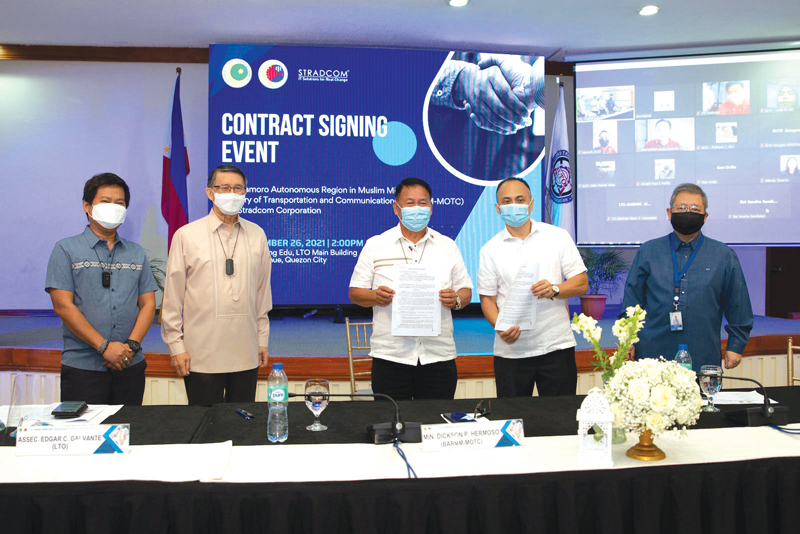
Stradcom Corporation transformed the landscape of Philippine government transactions by pioneering the use of information and communications technology in public service.
Its flagship initiative, the Land Transportation Office Information Technology Project (LTO-IT Project), marked the country’s first successful nationwide computerization of a government agency.
Through this system, driver’s license applications and motor vehicle registrations—once a process that took weeks—can now be completed in less than an hour. Stradcom developed the technology that enabled online, real-time processing, making government services faster, more efficient, and more accessible.
Beyond improving convenience, the LTO-IT Project empowered the agency to achieve greater efficiency, strengthen enforcement of regulations, and significantly boost revenues. The results were remarkable: from Php 2 billion in 2001, the LTO’s income rose to Php 15 billion by 2011.
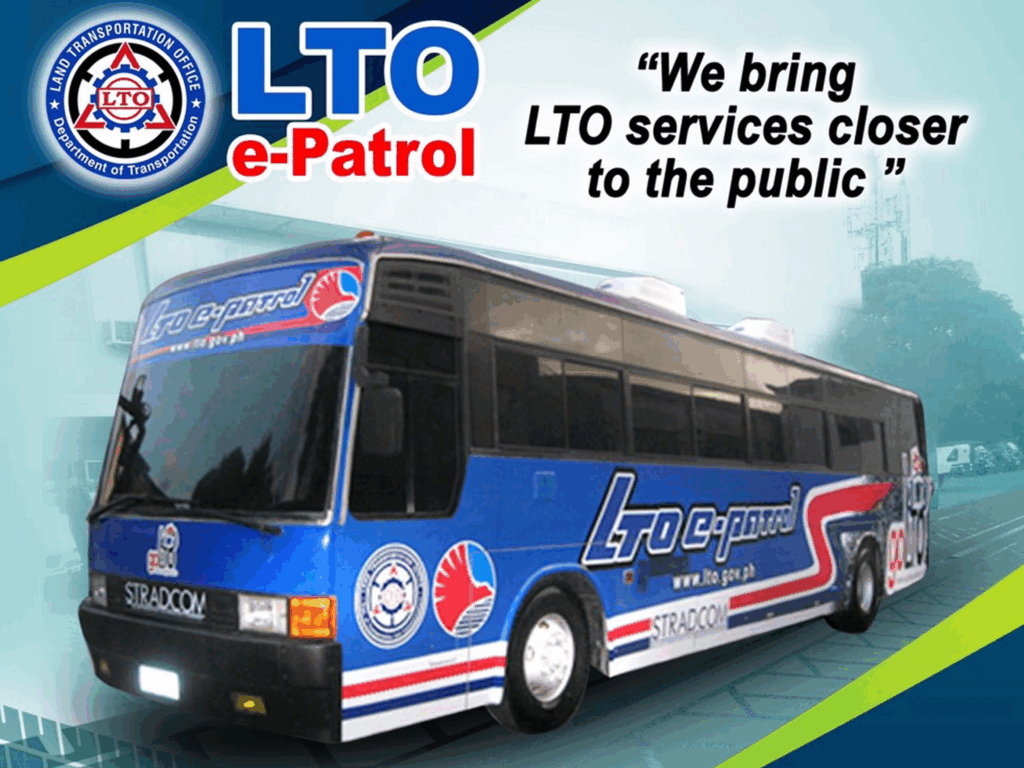
Stradcom also expanded access by connecting LTO offices nationwide, integrating databases with other government agencies to ensure transparency and accountability, and reducing opportunities for corruption. The company further introduced satellite offices in malls and deployed mobile registration units in highly populated areas, bringing services closer to the people.
Today, thanks to Stradcom’s systems, the LTO has become a benchmark of modernization. It can process millions of transactions daily, extend its reach to even the most remote parts of the country, and stand as one of the government’s highest revenue-generating agencies.